As the year comes to a close, we tend to spend a lot of time thinking about what we’re grateful for – but how often do we consider how grateful we are for our ability to read and write?

As the year comes to a close, we tend to spend a lot of time thinking about what we’re grateful for – but how often do we consider how grateful we are for our ability to read and write?
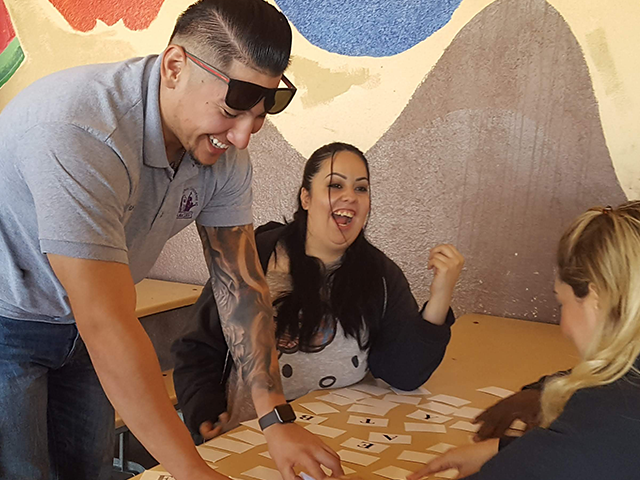
Picture this … a group of English language learners arrive for their first class, some more guarded than others about COVID and learning another language. Yet all understand that the consequences of not gaining English proficiency presents a considerable and probably more significant longer-term risk.

In the United States alone there are 41 million adults with dyslexia. That’s a whopping 20% of the adult population. The real kicker here is that only 2 million adults are aware of their dyslexia. Chances are high that you have an individual struggling with dyslexia in your class right now. If this concerns you, and it should, then read on.

Adventure is a way of doing; it is not just an activity in and of itself. If the word adventure conjures up images of activities like rock climbing, rafting and parachuting, pause for a moment and imagine instead the way in which an activity is performed. A lesson/activity becomes an adventure if an element of surprise exists, if activities compel one to do things they have never imagined possible.
On September 21 First Literacy opened its doors to the public for the first time in two years. Like many other organizations, the pandemic forced the First Literacy office to close resulting in virtual gatherings.
Literacy is most commonly defined as the ability to read and write. While this skill may seem straightforward, literacy is a rather complex skill that deserves a more complete explanation.
Sign Up to Receive First Literacy Emails